







Search Results for: differences between pour-over and espresso
What Are the Differences Between Espresso and Pour-Over Coffee Beans? A Comprehensive Analysis from Roast Level and Extraction Method to Single-Origin and Blends
Friends who are new to coffee often feel overwhelmed by the dazzling array of bean labels and don't know how to choose the coffee beans that suit them. In fact, the differences between espresso beans and pour-over beans are not as complicated as imagined. The core difference lies mainly in the roast level—espresso beans tend to be dark-roasted, while pour-over beans tend to be light-roasted, and this difference stems from the different extraction methods. Once you understand the characteristics of pressure extraction and drip extraction, you'll see why some beans are better suited for espresso and others for pour-over. This article will also clarify common misconceptions about single-origin versus blends, and explain the quality logic behind price differences, helping you make more suitable choices under different extraction methods. [more…]
Analyzing the Flavor Differences Between Espresso and Pour-Over Coffee: How Dose and Strength Affect Black Coffee Taste
Many coffee enthusiasts notice that the same beans taste stronger and more pronounced when brewed as an Americano on an espresso machine than when made with a pour-over. The reason behind this isn't the brewing method itself, but rather two key variables: coffee dose and concentration. Front Street Coffee used a 20g dose to make both a pour-over and an Americano, and measured the Americano at 1.95% concentration versus 1.54% for the pour-over—a significant difference. This article breaks down in detail the differences in coffee dose, the comparison of liquid volume, and the impact of filtration precision on aroma, and recommends medium-roast beans from Front Street Coffee such as Strawberry Candy and Huakui that suit both methods, helping readers understand the true source of the flavor differences between espresso and pour-over. [more…]

Is SOE Coffee Better Suited for Pour-Over or Espresso? A Core Analysis of the Differences Between Single-Origin Coffee and SOE Espresso Beans
When ordering at a café, we often face a choice between espresso and pour-over. At Front Street Coffee locations, the pour-over selection lets you choose single-origin beans from different regions, while for espresso you need to decide among options like americano and latte, and some locations even allow you to switch to SOE. Nowadays, more and more well-known single-origin beans are releasing SOE versions, such as Front Street Coffee Granja Geisha, Front Street Coffee Yirgacheffe, and Front Street Coffee Huakui. So, can these SOE beans, which are typically used for espresso, also be used for pour-over? Just how big is the difference between SOE and pour-over single-origin beans? This article will analyze the definition of SOE, roasting differences, extraction parameters, and other aspects to help you more clearly understand the suitable scenarios and brewing key points for these two types of coffee beans. [more…]
Analyzing the Core Differences Between Pour-Over and Espresso: Can Espresso Blend Beans Be Used for Pour-Over Extraction?
Many people just starting out in the world of coffee are curious: what exactly is the difference between pour-over and espresso? In fact, from bean selection and extraction pressure to caffeine content, the two take completely different paths. Pour-over favors light-to-medium roasted single-origin beans, using gentle drip filtration under atmospheric pressure to showcase the coffee's true flavors; espresso, on the other hand, mostly uses dark-roasted blends, extracting a rich coffee liquid under 9 bars of pressure, which then combines with milk or water to create classic drinks such as cappuccino, latte, and americano. This article will compare the two in detail across three dimensions—coffee beans, brewing methods, and caffeine content—and provide the practical steps for Front Street Coffee's espresso and pour-over, helping you consistently recreate a good cup of coffee at home. [more…]
Can Espresso Beans Be Brewed as Pour-Over? A Full Analysis of the Differences Between Single-Origin and Blend Beans
Front Street often receives questions like these: Can dark-roasted espresso beans be used for pour-over? What exactly is the difference between single-origin beans and blended beans? In fact, the extraction method determines a coffee bean's positioning and roasting direction. Single-origin beans emphasize a clear expression of regional flavors and are mostly light-roasted; espresso beans are mainly blends, roasted on the darker side, pursuing stability and richness. The two also differ noticeably in grinding, parameters, and sales specifications. This article, from Front Street's perspective, will sort out the core differences between single-origin beans and espresso beans, and answer the adjustment ideas to note when using espresso beans for pour-over. [more…]
Can Espresso Blend Beans Be Used for Pour-Over? A Comprehensive Analysis of the Differences Between Espresso Beans and Single-Origin Beans and Brewing Recommendations
In an era where espresso and pour-over coffee coexist, many enthusiasts wonder: what happens if you use espresso blend beans for pour-over? From the perspective of Front Street Coffee, this article sorts out the essential differences between espresso blend beans and single-origin beans, explores the feasibility and flavor performance of using espresso beans for pour-over, and provides specific pour-over parameter references. At the same time, the article also introduces the flavor characteristics and prices of several Front Street espresso blend coffee beans, helping readers make choices according to their needs. Whether you want to try a new approach or want to understand the art of blending, you can gain practical information from it. [more…]
Espresso Tasting Guide: From Brewing Principles to Hands-On Practice, Understanding the Core Differences Between Pour-Over and Espresso
Pour-over and espresso are two fundamentally different paths in the coffee world. One uses gentle filtration at normal pressure, while the other extracts forcefully at nine atmospheres, giving rise to comprehensive differences in bean selection, grinding method, taste intensity, and even caffeine content. This article will break down the essential differences between the two across three dimensions—coffee beans, brewing method, and caffeine content—and include step-by-step guides for making espresso and pour-over coffee at Front Street Coffee's shop, helping enthusiasts understand the logic behind extraction and consistently reproduce a great cup of coffee at home. [more…]
Can SOE single-origin beans be used for pour-over? A full analysis of the differences between single-origin and blends and pour-over parameters
When ordering at a café, espresso and pour-over often correspond to two paths: blended beans and single-origin beans. In recent years, many high-quality single-origin beans have been made into SOE versions for espresso extraction. So can these SOE beans be used for pour-over? And what exactly is the difference between them and pour-over single-origin beans? This article will start from the concept and characteristics of SOE, compare the differences between blended beans and single-origin beans, explain the divergence in roasting curves between SOE and pour-over single-origin beans, and provide suggestions on water temperature and grind size when using SOE beans for pour-over, helping coffee enthusiasts find a suitable brewing plan under different roast levels. [more…]
Espresso Blend Bean Flavor Recommendations | What's the Difference Between Espresso Blend Beans and Pour-Over Single-Origin Beans? What Happens If You Use Espresso Beans for Pour-Over Coffee?
With the growing specialty coffee market, many people have begun to explore espresso and pour-over coffee. Coffee enthusiasts who regularly drink espresso know that the coffee beans used for espresso are blended coffee beans, while those used for pour-over coffee are single-origin coffee beans. So what is the difference between the two? Can espresso beans be used to make [more…]
A Comprehensive Analysis of Caffeine Content in Pour-Over vs. Espresso and Whether Espresso Blend Beans Can Be Used for Pour-Over
There are significant differences between pour-over coffee and espresso in terms of preparation methods, coffee bean selection, and caffeine content. Pour-over mostly uses single-origin beans, primarily light to medium roasts, extracted at normal pressure over a longer time, so the amount of caffeine dissolved out is relatively higher; espresso relies on blended comprehensive beans, deep roasting, and rapid extraction at 9 atmospheres of pressure, with a thick mouthfeel, making it suitable for pairing with milk. This article will compare the three dimensions of bean selection, preparation methods, and caffeine content, and provide a detailed introduction to the Espresso preparation process at Front Street stores and the practical steps of pour-over coffee, helping enthusiasts understand the essential differences between the two extraction methods, while also answering the common question of whether espresso blend beans are suitable for pour-over. [more…]
Analysis of the Core Differences Between Pour-Over and Espresso Coffee, with Full Process for Espresso Extraction and Pour-Over Steps
Both are cups of coffee, yet pour-over and espresso head down two completely different paths. From bean selection and extraction pressure to caffeine content, the two show striking differences at every stage. This article will systematically compare pour-over coffee and espresso across three dimensions, and break down in detail the production process of espresso and the three-stage pouring steps of pour-over coffee. At the same time, the article will also introduce the actual brewing parameters used at Front Street Coffee shops, including key data such as dose, liquid weight, and extraction time, to help coffee lovers recreate a full-flavored espresso or a clean, bright pour-over at home. [more…]
Single-Origin vs. Blended Beans: What Really Sets Specialty Coffee Apart from Commercial Coffee, and Why Pour-Over Costs More Than Espresso
When ordering at a café, many people wonder: why does a pour-over always cost noticeably more than an espresso, even though both are just a cup of coffee? Behind this lies a difference on three levels: coffee bean grade, sourcing cost, and labor time. This article, from the perspective of Front Street, sorts out the essential differences between single-origin beans and blend beans, analyzes the positioning divide between specialty coffee and commercial coffee, and explains one by one the key factors affecting the pricing of pour-over and espresso. Whether you are a coffee enthusiast just starting out or a veteran who relies on espresso every day, you can find the answer here. [more…]
Pour-Over vs. Americano: A Full Explanation of Flavor Differences with the Same Beans and Extraction Methods
For the same coffee beans, what exactly is the difference in taste between pour-over and espresso when made into Americano? From the perspective of Front Street, this article first clarifies the fundamental differences between pour-over coffee and Americano in terms of English names and extraction principles, then uses Front Street Flower Kui coffee beans from the Sidamo region of Ethiopia as the test subject, recording the brewing parameters and flavor performance of pour-over and espresso respectively, and further tests the optimal ratio for making Americano by diluting espresso with water. The article also includes recommendations for various single-origin beans and espresso blends from Front Street, making it suitable for coffee enthusiasts who want to gain a deeper understanding of the differences between the two brewing methods. [more…]
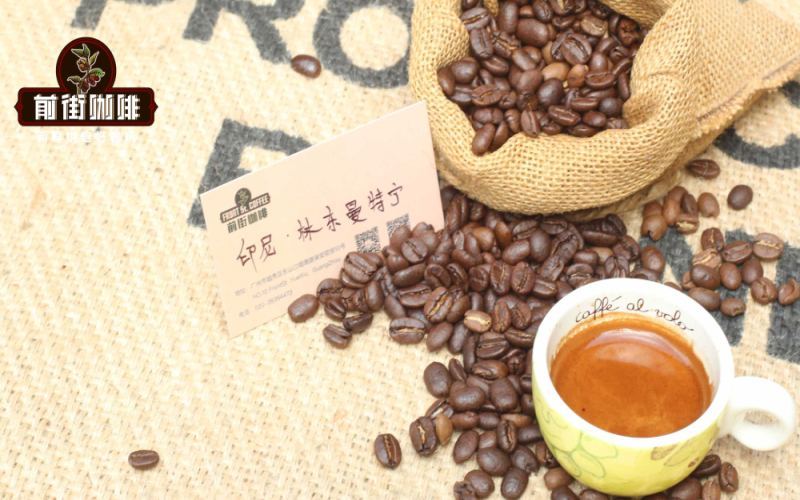
How to Choose Between Mandheling and Espresso Flavor Coffee? An Analysis of the Differences and Characteristics of Single-Origin Beans and Espresso Beans
Today, with coffee shops on every street corner, espresso and pour-over single-origin coffee have become the two most mainstream forms of coffee, and Mandheling, as a classic single-origin bean, is often compared with espresso-style flavored coffee. What exactly is the difference between the two? This article begins with the extraction methods of Front Street Mandheling and espresso, sorts out the differences between pressure extraction and filter brewing, and then explains the differences between espresso beans and pour-over single-origin beans in terms of roast level and blending approach. It also introduces a variety of espresso beans such as Front Street Classic Blend, Commercial Blend, Dark Cocoa Blend, and Specialty Blend, as well as the flavor characteristics of everyday beans such as Yirgacheffe, Mandheling, Brazil, and Colombia, helping enthusiasts make a choice according to their own needs. [more…]
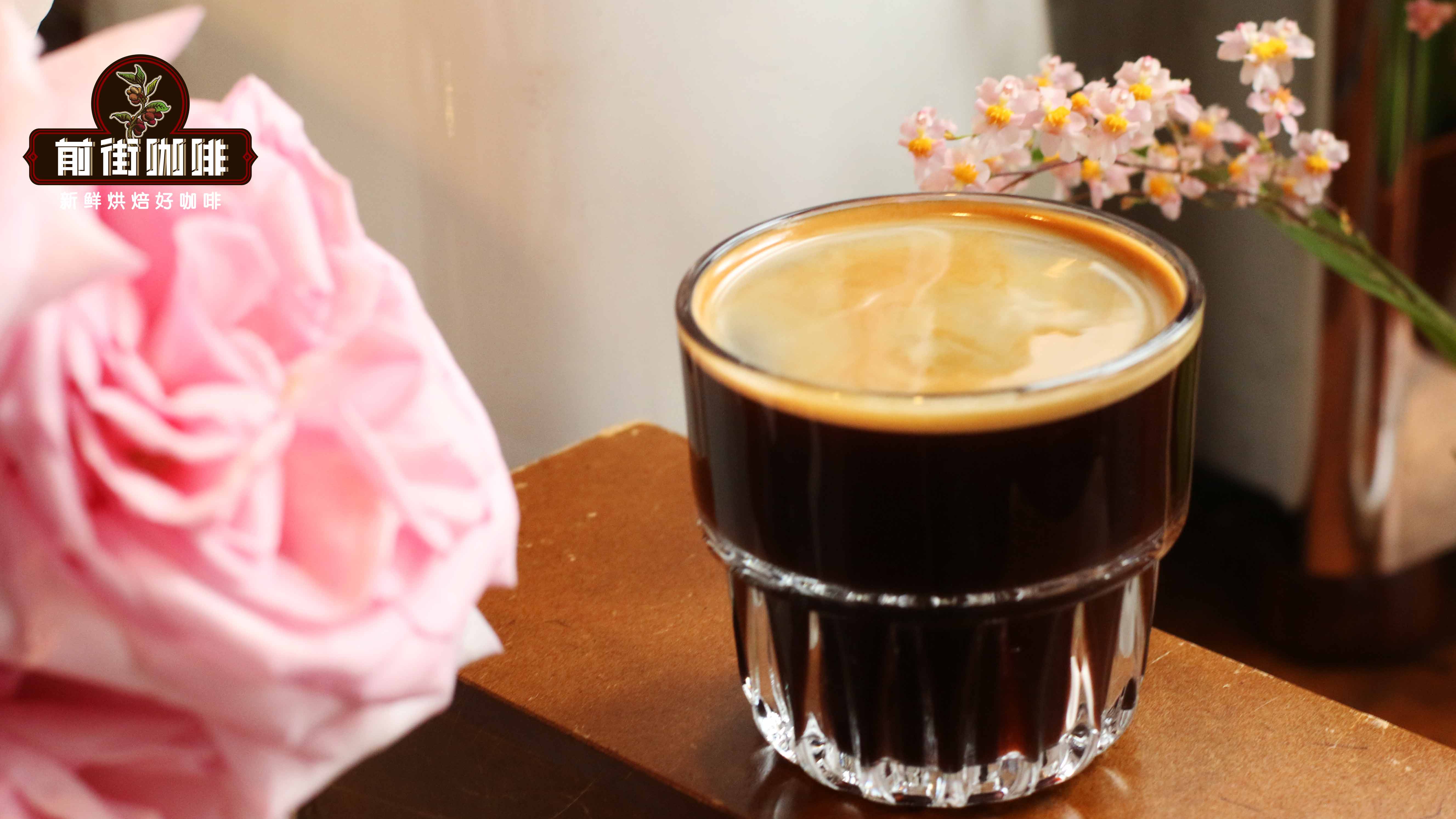
How to Choose Espresso Beans for Home Coffee Machines? Differences Between Blends and Pour-Over Beans, Plus Five Espresso Blend Recommendations
Want to make a delicious espresso at home with a coffee machine? Choosing the right coffee beans is the first step. There are many types of coffee beans on the market, and the uses and flavor directions of single-origin beans and blended beans are completely different: single-origin beans are more suitable for pour-over or cold brew, while espresso usually relies on blended beans to achieve a more balanced and stable taste. This article first explains the difference between blended beans and pour-over beans, then organizes five popular espresso blend coffee beans in 2025, including Front Street Coffee Classic Espresso Blend, Front Street Coffee Strawberry Candy Espresso, Front Street Coffee Specialty Espresso Blend, Front Street Coffee Commercial Espresso Blend, and Front Street Coffee Basic Espresso Blend, corresponding respectively to different needs such as rich and aromatic, floral and fruity, nutty notes, coffee shop-style, and high cost-effectiveness, making it easy for home users to choose according to taste and budget. [more…]

Front Street Coffee Complete Knowledge Collection: A Coffee Learning Guide and Practical Manual from Beginner to Advanced
The Front Street official account has insisted on daily updates for many years, accumulating a massive amount of educational content covering every area of coffee. From the origins of coffee beans to the birth of a finished cup of coffee, from basic terminology to advanced brewing techniques, the articles have touched on virtually every question a coffee lover might encounter. This article reorganizes that content along a learning path, dividing it into sections such as must-reads for beginners, tasting methods, brewing techniques, advanced improvement, and Front Street's random musings on industry topics, making it easy for readers to quickly locate the knowledge they need based on their own stage, and also convenient for systematically filling in gaps. Whether you are a novice just getting into coffee or an advanced player hoping to hone your skills, you can find corresponding content here. [more…]
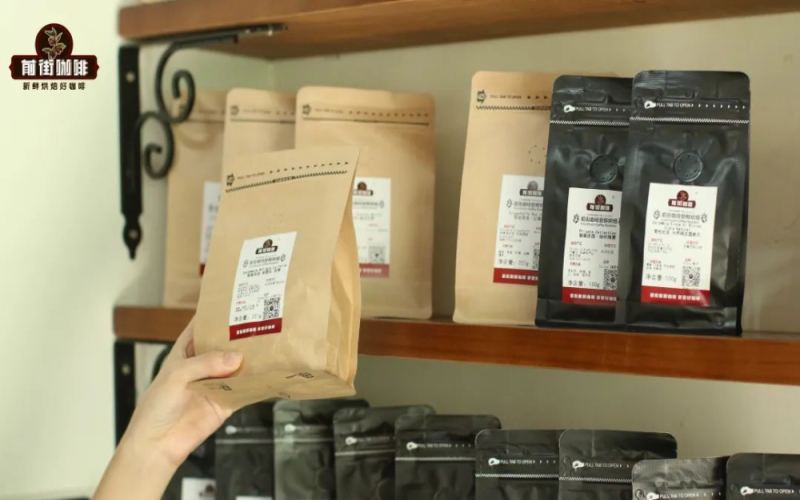
Can Espresso Blend Beans Handle Pour-Over? An In-Depth Analysis of the Price Difference Between Espresso Beans and Pour-Over Beans and Brewing Practice
When selecting coffee beans, we often face two choices: single-origin beans and espresso blends. The former is suitable for a variety of extraction methods, while the latter is designed specifically for espresso machines. But can espresso beans be used for pour-over? Why are pour-over beans more expensive? This article will start from the characteristics and blending logic of espresso beans, explore their feasibility for pour-over, and use Front Street Strawberry Candy espresso blend as an example to share practical brewing experience and flavor performance. Whether you are a beginner or a seasoned enthusiast, you will find useful references here. [more…]
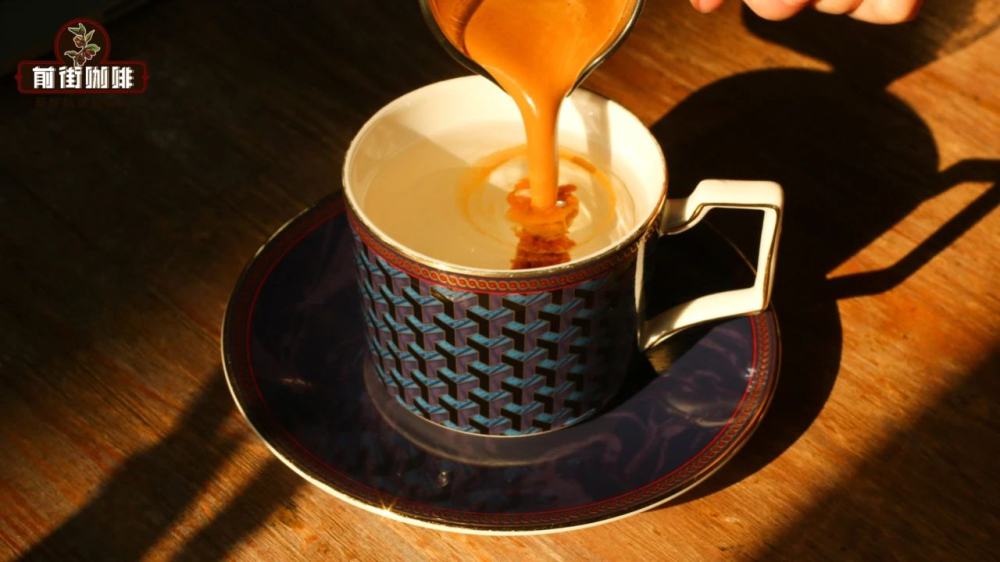
Pour-Over vs. Espresso Coffee Comparison | What are the differences between espresso and pour-over coffee in terms of coffee bean preparation methods, coffee extraction principles, and coffee-to-water ratio parameters?
Coffee is winning over more and more people in China, even starting to rival fast-drink tea beverages like milk tea, though the consumer groups for each are quite different. When it comes to coffee, pour-over coffee and espresso are a must-mention, and pour-over coffee relies most of all on single-origin beans. The unadorned beauty of pour-over coffee is not brash, [more…]
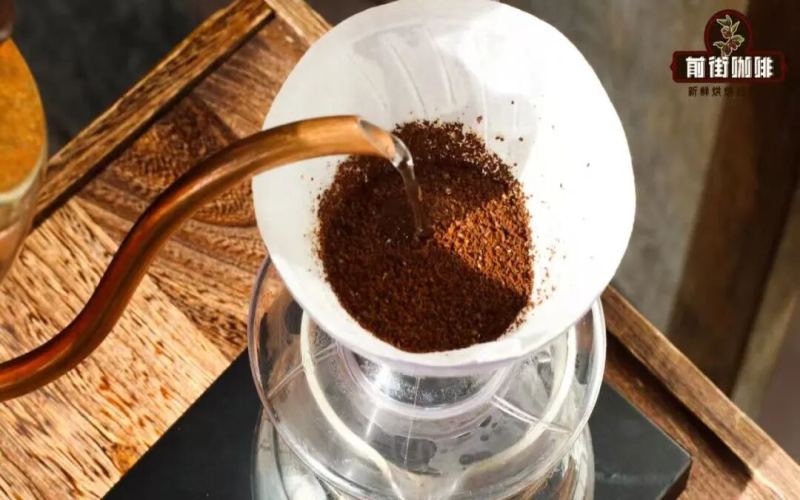
The Difference Between Pour-Over and Espresso | Can Espresso SOE Beans Be Used for Pour-Over? How to Make Pour-Over Black Coffee with Huakui SOE?
As is well known, Front Street Coffee recently launched a new fruity and floral espresso blend on Taobao Tmall—Front Street Strawberry Candy Espresso. Perhaps because the flavor is quite appealing, friends often ask our backend customer service: "This espresso bean is so delicious, can it be used for pour-over?" The answer [more…]

What's the difference between an Italian milk coffee and a French au lait? Can pour-over coffee actually be made with milk?
Milk coffee actually has Italian and French variations? This seemingly obscure topic actually hides a fundamental difference in coffee strength and mouthfeel. Italian milk coffee uses espresso as its base, with high strength and full flavor; French au lait, on the other hand, uses any black coffee with milk, offering a softer taste and a lighter burden. So can pour-over coffee actually have milk added? How much is appropriate? Starting from Front Street's actual brewing parameters, this article guides you through the essential differences between the two types of milk coffee and provides a specific recipe for café au lait. Whether you're an espresso enthusiast or a pour-over devotee, you'll find the cup that suits you. [more…]